June 17, 2026
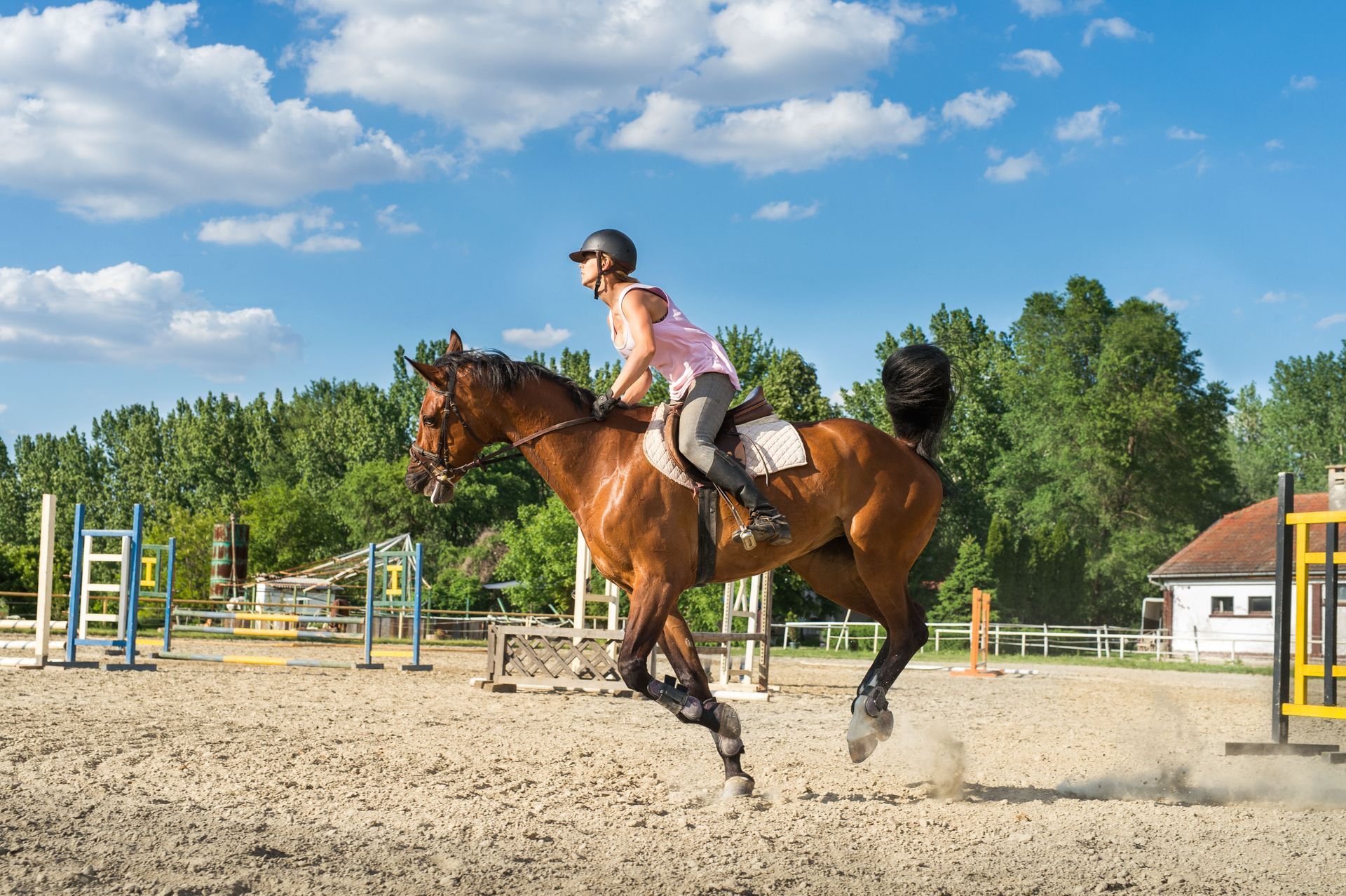
Horses are powerful athletes, whether they compete in racing, jumping, dressage, barrel racing, eventing, or other demanding disciplines. Even horses used for recreational riding need strength, balance, flexibility, and steady conditioning to stay comfortable and capable. Because their bodies work hard during training, travel, competition, and recovery, they benefit from care that looks beyond routine maintenance and focuses on how movement, performance, and overall wellness are connected.
Equine sports medicine helps support this level of care by addressing the physical demands placed on horses. It can include rehabilitation, conditioning, mobility work, performance evaluations, injury recovery support, and preventive care strategies. For owners, trainers, and riders, this type of support can make it easier to identify concerns early, strengthen weak areas, and help horses return to work more safely after strain, soreness, or time off.
Supporting Stronger Movement and Mobility
A horse’s movement depends on many connected systems, including muscles, joints, tendons, ligaments, hooves, and posture. When one area is sore, restricted, or weak, the horse may compensate in another area. Over time, these compensations can affect balance, stride quality, willingness, and comfort under saddle. Equine sports medicine helps evaluate how the horse moves as a whole instead of focusing only on one symptom.
This approach is especially useful when a horse seems “off” but does not show an obvious injury. Subtle changes, such as stiffness in one direction, shortened stride length, resistance during transitions, or uneven muscle development, can point to issues that deserve attention. By looking at the horse’s movement patterns, professionals can recommend exercises, therapies, or conditioning adjustments that support better mobility.
Improved movement can also help horses perform with more confidence. When the body is more balanced and comfortable, the horse may have an easier time bending, collecting, extending, stopping, turning, or carrying a rider through demanding work.
Building Better Strength and Conditioning
Strength is essential for performance, but it must be developed carefully. Horses need conditioning programs that match their discipline, age, fitness level, workload, and recovery needs. Pushing too quickly can increase the risk of strain, while inconsistent conditioning may leave the horse unprepared for harder work. Equine sports medicine helps create a more thoughtful plan for developing strength over time.
Conditioning may include controlled groundwork, hill work, stretching, walking programs, balance exercises, targeted strengthening, and gradual increases in workload. These strategies can help improve stamina, coordination, muscle tone, and body awareness. For horses returning from time off, structured conditioning is especially important because fitness declines faster than many owners realize.
A stronger horse is often better prepared to handle the demands of training and competition. However, strength is not only about speed or power. It also supports posture, joint stability, core engagement, and the ability to move efficiently without unnecessary stress.
Managing Recovery After Strain or Injury
Recovery is one of the most important areas where equine sports medicine can support long-term health. When a horse experiences an injury, soreness, or loss of condition, the return-to-work process should be gradual and carefully monitored. Returning too soon or doing too much too quickly can create setbacks, prolong discomfort, or lead to new problems.
A recovery plan may involve therapeutic exercise, controlled movement, rest periods, stretching, muscle support, bodywork, or conditioning sessions designed around the horse’s current ability. The goal is to help the horse rebuild strength and mobility while reducing avoidable stress on healing tissues. This type of guidance can be valuable for horses recovering from tendon injuries, ligament strain, muscle soreness, surgery, or extended stall rest.
Recovery also requires close observation. Small changes in attitude, gait, swelling, flexibility, or willingness to work can provide important clues about how the horse is responding. With a structured plan, owners can feel more confident that progress is being measured in a safe and realistic way.
Reducing the Risk of Future Problems
Preventive care is a major benefit of equine sports medicine. Horses often show early warning signs before a more serious issue develops, but those signs can be easy to miss. A horse may become reluctant to pick up a lead, resist certain movements, lose topline strength, stumble more often, or seem less forward. These changes may not always signal a major injury, but they should not be ignored.
By paying attention to movement quality, conditioning, recovery, and performance changes, owners can make adjustments before minor concerns become larger problems. According to Horses Only, the horse industry contributes $122 billion to the United States economy each year. With so many horses supporting work, sport, recreation, and business across the country, proactive health and performance care play an important role in protecting both animals and the people who depend on them.
Preventive support may include regular movement assessments, rehabilitation sessions, stretching programs, conditioning reviews, and collaboration with veterinarians, farriers, trainers, and other equine professionals. When each part of the care team works toward the same goal, the horse receives more consistent support.
Improving Performance With a Whole-Horse Approach
Performance is not only shaped by talent or training. It is also affected by comfort, soundness, fitness, nutrition, recovery time, hoof balance, saddle fit, mental focus, and workload. Equine sports medicine supports performance by considering how all these pieces work together. A horse that is strong but sore may not perform well. A horse that is talented but poorly conditioned may tire quickly. A horse that lacks flexibility may struggle with precision, rhythm, or collection.
A whole-horse approach can help identify what the horse needs to perform more comfortably and consistently. For example, one horse may need more core strength, while another may need improved flexibility through the shoulders or hindquarters. Another horse may need a slower return after time off or a conditioning plan that better fits its discipline.
This approach also supports horses at different levels. Competitive horses may need detailed performance planning, while pleasure horses may need help staying comfortable as they age or return to regular riding. In either case, the focus is on helping the horse feel and move better.
Helping Owners Make More Confident Care Decisions
Horse owners often have to make decisions based on subtle signs. A horse may not be lame, but it may feel uneven, stiff, weak, or less willing than usual. These situations can be frustrating because the problem is not always obvious. Equine sports medicine gives owners more information about what may be happening and what steps could help.
Professional rehabilitation and conditioning support can also help owners avoid guesswork. Instead of relying only on rest or pushing through discomfort, they can follow a structured plan based on the horse’s needs. This can improve communication between owners, riders, trainers, and care providers, especially when everyone is working toward a safe and sustainable outcome.
Consistent support also helps owners think long term. Horses may benefit from maintenance programs that support flexibility, strength, and recovery throughout the year. When care is ongoing instead of reactive, it becomes easier to protect progress and respond quickly when something changes.
Equine sports medicine offers a practical way to support healthier, stronger, and more capable horses. By focusing on movement, conditioning, recovery, prevention, performance, and long-term care, it helps horses handle physical demands with greater comfort and confidence. Call Miller Equine Rehab & Conditioning today to schedule your equine rehabilitation or conditioning service.