October 16, 2026
Equine PEMF (Pulsed Electromagnetic Field) therapy is becoming an increasingly recognized option in equine sports medicine. By using electromagnetic fields to influence cellular activity, this therapy may help support the horse's natural recovery processes following physical stress and injury. Although PEMF therapy was traditionally more popular among human athletes, its potential applications for equine athletes have gained attention. For owners and trainers exploring equine PEMF therapy services, this approach may be one consideration within a broader plan for maintaining equine health, recovery, and performance. Here, we'll explore how Equine PEMF therapy may fit into different performance goals for horses.
Enhancing Muscular Recovery
Muscle fatigue in horses can significantly hinder performance, particularly in sports demanding sustained effort. Physiologically, muscle fatigue occurs when the demand for energy by the muscles outpaces the supply of nutrients and oxygen. Common causes include intense training regimens, lack of proper rest, and inadequate nutrition. Recognizing signs like decreased performance, reluctance to exercise, and muscle stiffness is crucial for timely intervention. Quick muscle recovery is essential to prevent long-term damage and ensure continued competitive performance.
The risks of ignoring muscle fatigue in equine athletes can be significant, potentially leading to chronic injury and prolonged downtime. Without adequate recovery, there may be an increased risk of musculoskeletal issues over time. Performance can also suffer, affecting competition results and the horse's long-term athletic career. Addressing muscle fatigue promptly helps maintain muscle function and supports the horse's overall well-being. Proactive recovery strategies are therefore an important part of responsible equine care.
Understanding the physiology of muscle fatigue helps owners and trainers develop appropriate recovery plans. Processes such as muscle fiber damage and changes in energy availability can contribute to post-exercise soreness and fatigue. Targeted recovery strategies may help support healing and maintain muscle function. Effective management combines suitable exercise, rest, nutrition, and professional guidance to address the physical demands placed on equine athletes.
PEMF therapy is used as a noninvasive approach intended to support recovery and cellular activity. Practitioners may incorporate it into a horse's broader recovery routine alongside rest and veterinary care. Owners considering equine PEMF therapy services can discuss their horse's training demands, signs of discomfort, and recovery needs with a qualified provider to determine whether this option may be appropriate.
Circulation and tissue recovery are important considerations following strenuous exercise. A horse's recovery plan should account for workload, hydration, nutrition, and adequate rest. PEMF may be considered as one component of that plan, although results can vary, and its benefits should not be assumed to replace established veterinary treatments.
In practice, recovery approaches should be tailored to each horse's needs and athletic schedule. Owners, trainers, and veterinarians can work together to monitor changes in movement, comfort, and performance. When used appropriately, equine PEMF therapy services may complement a comprehensive recovery routine, but persistent soreness, lameness, or unusual behavior should be evaluated by a veterinarian.
Improving Joint Health and Flexibility
Joint issues are common concerns among equine athletes because they can affect movement, performance, and long-term health. According to Frontiers in Veterinary Science, lameness affects 29.9% of working equines in low- and middle-income countries, while gait abnormalities are observed in up to 62.9% of animals. These figures highlight the importance of monitoring movement and recognizing potential mobility concerns. Conditions such as osteoarthritis, synovitis, and ligament injuries may impair flexibility and mobility. Recognizing signs such as stiffness, reduced range of motion, or changes in gait is important for identifying potential issues early.
Unmanaged joint problems may contribute to ongoing discomfort and reduced mobility. Maintaining joint health is therefore important for horses participating in competitive sports and regular training. Preventive care, including veterinary examinations, suitable exercise, appropriate footing, and recovery time, can help owners manage the physical demands placed on their horses. Promptly addressing changes in movement can also help prevent minor concerns from becoming more serious.
Preventive strategies focus on managing joint stress while maintaining flexibility and strength. Conditioning programs should be tailored to each horse's age, fitness level, and discipline. Balanced nutrition and appropriate veterinary care also contribute to overall musculoskeletal health. Some owners explore complementary options such as PEMF therapy as part of a broader approach to equine wellness.
PEMF therapy is sometimes incorporated into equine care routines with the goal of supporting comfort and mobility. However, it should not be considered a cure for joint disease or a substitute for veterinary diagnosis and treatment. Horses experiencing persistent stiffness, swelling, or lameness need an appropriate examination to identify the underlying cause and determine the best course of care.
Maintaining joint function requires a consistent, individualized approach. Owners considering equine PEMF therapy services should discuss their horse's condition and treatment goals with a veterinarian and a qualified PEMF provider. This helps ensure that any complementary therapy fits into an appropriate care plan and does not delay necessary treatment.
Boosting Endurance and Stamina
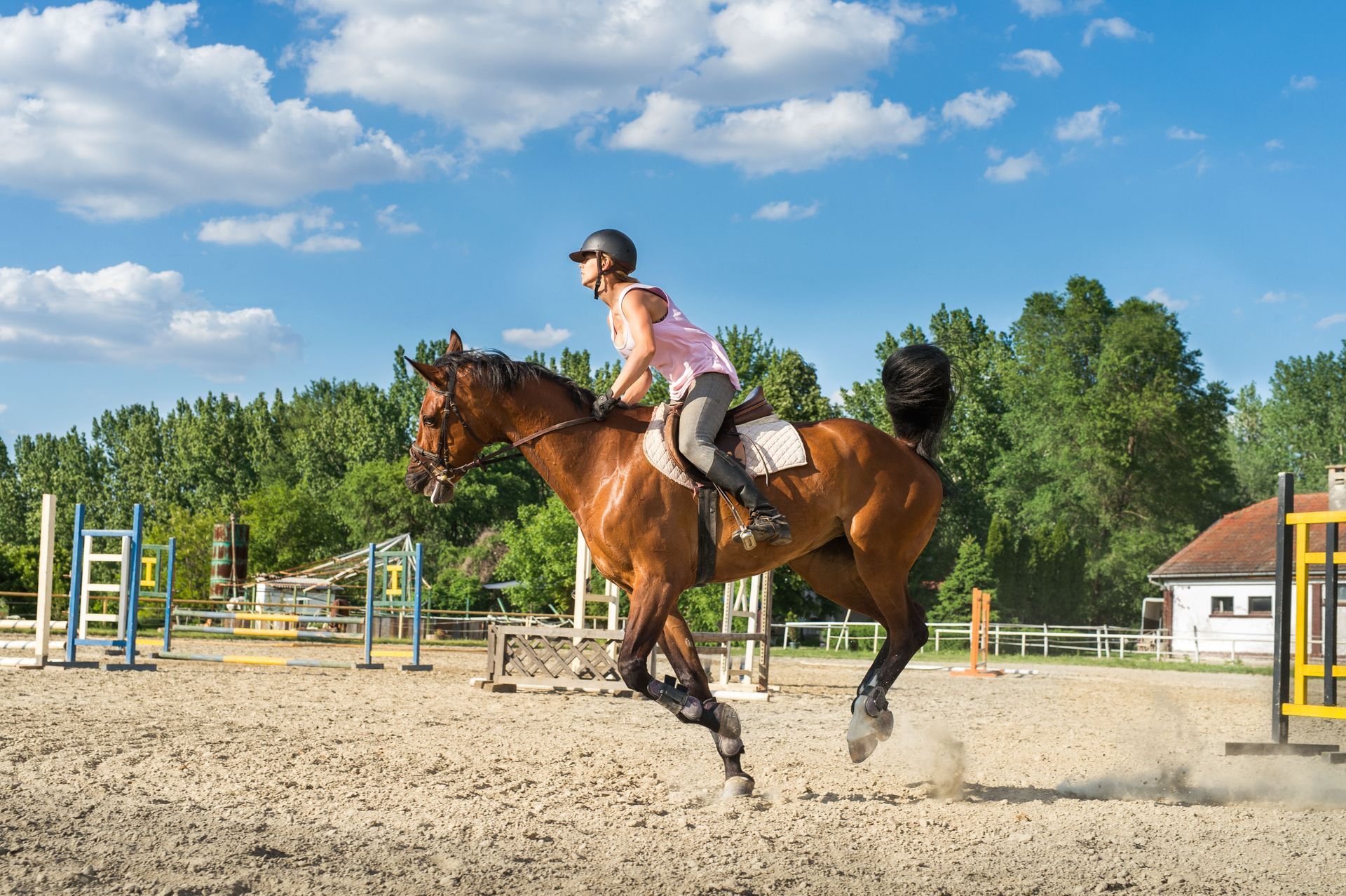
In competitive equine sports, stamina is an important factor in performance, particularly in endurance racing, show jumping, and cross-country competitions. These disciplines require sustained effort and place considerable demands on a horse's cardiovascular system and muscles. Developing stamina requires carefully planned training, adequate recovery, and consistent attention to the horse's overall condition.
Monitoring stamina involves assessing performance indicators such as heart rate, recovery time, and work capacity during training. Trainers can use these observations to adjust exercise intensity and allow sufficient recovery between demanding sessions. Nutrition also plays an important role in maintaining energy levels, with a balanced diet providing the nutrients needed to support exercise and recovery.
Equine athletes' dietary needs vary according to their size, workload, and discipline. Appropriate caloric intake, access to clean water, and attention to electrolyte balance can help support hydration and sustained physical activity. Dietary changes should be made thoughtfully, with guidance from a veterinarian or equine nutrition professional when needed. Coordinating nutrition with a horse's training schedule helps maintain a consistent foundation for performance.
PEMF therapy is explored by some equine owners as a complementary component of athletic care. Those interested in equine PEMF therapy services may consider how the treatment fits alongside conditioning, nutrition, rest, and veterinary oversight. PEMF should not be viewed as a guaranteed way to improve stamina or eliminate fatigue, and claims about its effects on cellular energy or competitive performance require careful evaluation.
Managing fatigue is essential for horses that participate in prolonged or high-intensity activity. Trainers should monitor changes in recovery time, willingness to work, and overall performance. Adequate rest and gradual training progression help reduce unnecessary strain. Any therapy intended to complement an endurance program should be assessed according to the individual horse's needs and response.
A comprehensive stamina-building plan brings together exercise, nutrition, hydration, and recovery. PEMF may be considered as an additional option, but it should not replace evidence-based conditioning or appropriate veterinary care. Consistent monitoring helps owners and trainers make informed adjustments that prioritize both performance and the horse's well-being.
Supporting an equine athlete's performance requires a balanced approach to muscle recovery, joint health, flexibility, and endurance. Proper conditioning, balanced nutrition, adequate rest, and routine veterinary care all contribute to a horse's ability to remain active and comfortable. PEMF therapy may be considered as a complementary option within an individualized care plan, depending on the horse's needs and overall health.
By exploring equine PEMF therapy services with qualified professionals, horse owners can learn more about how this approach may fit into their horses' recovery and wellness routines. Consulting with a veterinarian can help determine whether PEMF therapy is appropriate and ensure that underlying injuries or health concerns receive proper attention. Ultimately, prioritizing individualized care and consistent monitoring allows owners and trainers to make informed decisions that support their horses' long-term well-being and athletic goals. Contact Miller Equine Rehab & Conditioning today for more information.